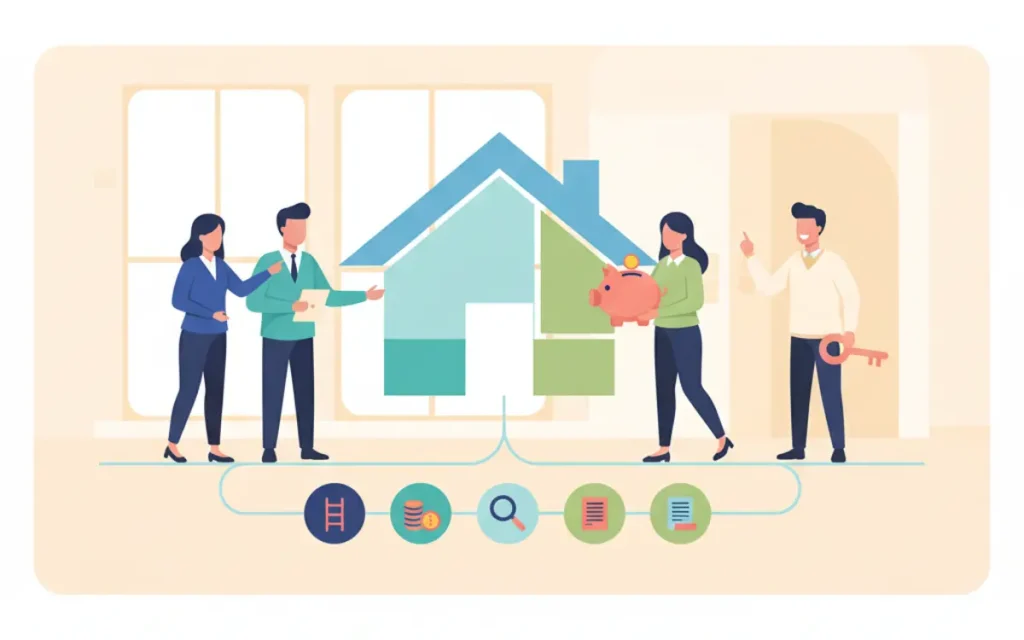
Homes acquired by government agencies or lenders after foreclosure are sold below typical market prices, and for some buyers that is a real opportunity. The trade-offs are significant enough that going in informed matters more here than in a conventional purchase.
What a HUD home is
When a government-insured mortgage forecloses, the property can transfer to the housing department, which then sells it. These are listed on the official HUD Home Store site and sold through registered brokers.
Bidding runs in priority periods. Owner-occupant buyers who will live in the home get an exclusive window before investors are allowed to bid, which is a genuine advantage for ordinary buyers.
Other categories of distressed property
Bank-owned properties that failed to sell at auction, listed conventionally through agents.
Auction properties sold at foreclosure sale, usually requiring cash and offering no inspection. This is the highest-risk category and not suitable for most buyers.
Other agency properties from the veterans department, the rural development programme and government-sponsored mortgage entities, each with their own listing platform.
Sold as-is, and that matters
These properties are sold in their current condition, with no repairs by the seller. Some are in good shape; some have been empty for a long time with damaged systems, missing fixtures or water intrusion.
You can usually inspect before committing on HUD homes, and you absolutely should. Budget for repairs realistically, including the possibility of discovering more once work starts.
Financing considerations
A property in poor condition may not qualify for standard financing, because lenders require it to meet minimum condition standards.
Renovation loan products exist that combine purchase and repair costs into one mortgage. These take longer and involve more paperwork, but they are the mechanism that makes distressed purchases workable for buyers without cash for repairs.
Incentives worth knowing
Programmes exist offering discounted purchase prices to teachers, police officers, firefighters and emergency medical technicians buying in designated areas, in exchange for a commitment to live there for a defined period.
Some local governments sell properties at nominal prices with renovation and occupancy commitments attached.
How to buy one
You generally need a registered broker for HUD properties. Get pre-approved first, since bids without financing evidence are not competitive. Inspect thoroughly and price the work before bidding.
Understand the earnest money terms, which can be less forgiving than in a conventional purchase.
Who this suits
Buyers with some tolerance for repair work, patience with a slower process, and a realistic budget for the unexpected. Buyers who need to move quickly into a move-in-ready home usually find the conventional market less stressful even at a higher price.