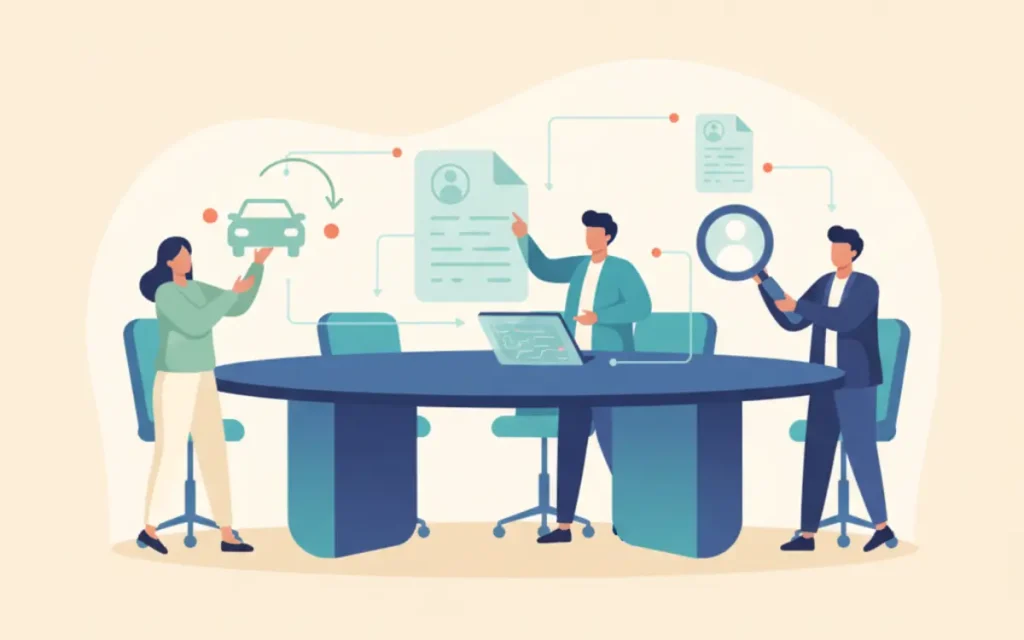
Most expensive used car mistakes are avoidable with checks that cost nothing. The value is in doing them in the right order, so that cheap checks eliminate bad cars before you spend money on the expensive one.
Step one: the listing itself
Before contacting anyone, read the advertisement carefully. Vague descriptions, no service history mentioned, photographs taken in poor light or from limited angles, and a price noticeably below market are all reasons to be cautious.
Search the phone number and the photographs. Images reused across multiple listings indicate a scam.
Step two: free identification number checks
Ask for the vehicle identification number before viewing. A seller who refuses is telling you something.
Run the free theft and total loss check, the free recall lookup, and a manufacturer decode to confirm the specification matches the advertisement. This takes a few minutes and eliminates a meaningful proportion of problem cars.
Step three: value it honestly
Use two free valuation tools and check current listings for the same model and mileage. Knowing the realistic range before you view prevents both overpaying and wasting time on cars priced unrealistically.
Step four: the viewing
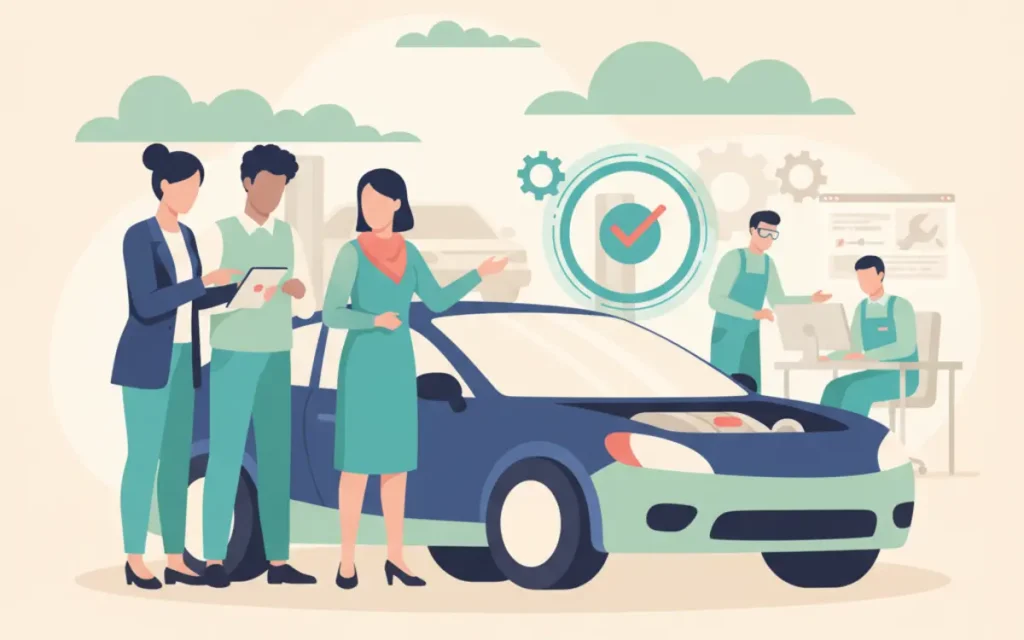
View in daylight and never in rain, which hides paint defects. Check panel gaps and paint texture for accident repair. Check tyre wear across each tyre, since uneven wear indicates alignment or suspension problems. Look under the bonnet for fluid leaks and corrosion. Check the boot floor and under carpets for damp, which indicates leaks or flood damage.
Start the engine from cold if possible. A seller who has warmed the car before you arrive may be hiding a starting problem.
Step five: the test drive
Drive at a range of speeds, including motorway speed if legal. Brake firmly in a safe place. Turn fully in both directions. Listen with the radio off and the windows down.
Check that the warning lights illuminate and then extinguish at startup. A dashboard where a warning light never illuminates at all can mean the bulb has been removed.
Step six: the paid check that is worth it
Everything above is free and eliminates most bad cars. For the one you are serious about, pay for an independent inspection by a mechanic you chose.
This is the only step worth spending money on, and it routinely returns many times its cost. A seller refusing an independent inspection has answered the question for you.
Paperwork before payment
Confirm the seller name matches the title, that the identification numbers match, and that any lienholder has issued a release. Complete a bill of sale. Do not pay in a way that cannot be traced.