Before buying a used car, the vehicle identification number is the single most useful thing you have. Paid history reports are widely advertised, but a substantial amount of important information is available at no cost from official sources, and some of it is not in the paid reports at all.
Where the number is
The seventeen-character identification number appears on the dashboard at the base of the windscreen, on the driver door frame sticker, on the registration document and on the insurance paperwork.
Check that all of them match. A discrepancy is a serious warning sign.
Free checks worth running
Theft and salvage records. In the United States, the National Insurance Crime Bureau offers a free lookup showing whether a vehicle has been reported stolen and not recovered, or declared a total loss by a participating insurer. This is one of the highest-value free checks available.
Safety recalls. The national highway traffic safety administration provides a free lookup showing open, unrepaired recalls. Manufacturers also offer this on their own sites. Recall repairs are free at a dealer regardless of who owns the car.
Title history. The national motor vehicle title information system is an official database that reports title brands, odometer readings and salvage records. Access is through approved providers, usually for a small fee, but it is far cheaper than a full commercial report and it is authoritative.
Manufacturer decoding. Many manufacturers let you enter the number to see original specification and factory equipment, which is useful for spotting a car described as a trim level it never was.
What free checks will not tell you
They generally will not show full service history, minor accident records that did not involve a total loss, or the number of previous owners in detail. Commercial reports aggregate more sources, and for an expensive purchase that can be worth paying for.
Treat the free checks as a filter that eliminates obviously bad cars cheaply, then consider a paid report on the one you are serious about.
The check that beats every report
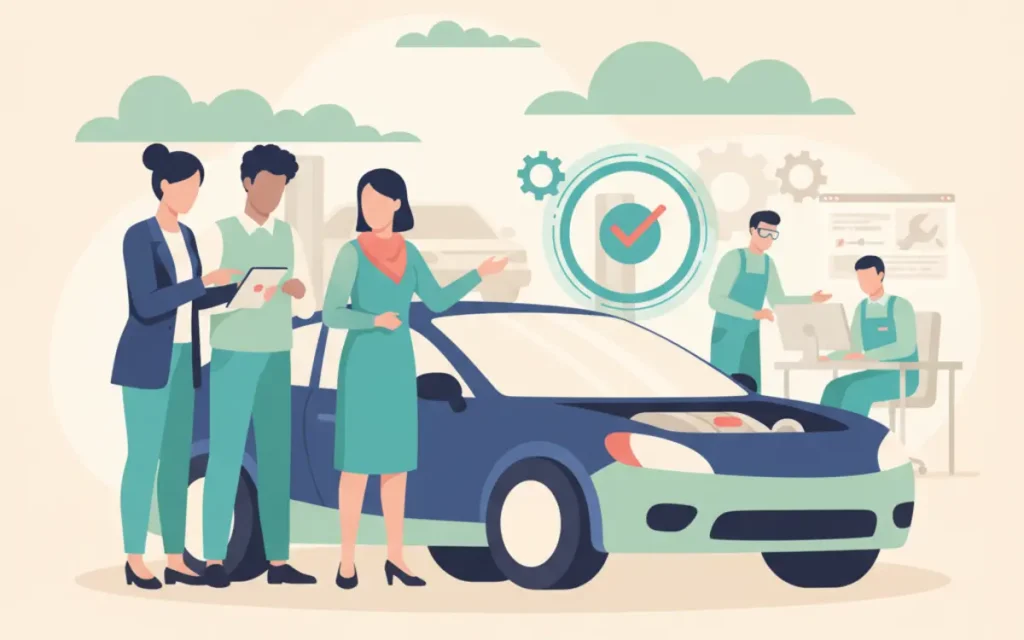
An independent inspection by a mechanic you chose, not one recommended by the seller. Reports describe the past; an inspection describes the present condition, which is what you are actually buying.
This costs a modest amount and routinely saves multiples of it. A seller who refuses to allow one has told you what you need to know.
Warning signs
Title brands such as salvage, flood, rebuilt or lemon materially affect value and insurability. Odometer readings that decrease over time indicate tampering. A title issued very recently in a different state can indicate title washing, where a brand is dropped by re-registering elsewhere.
Be careful where you enter the number
Sites promising completely free full history reports usually collect the number and your contact details, then require payment or sell your information. Use official government and industry sources, which do not ask for anything beyond the number itself.